
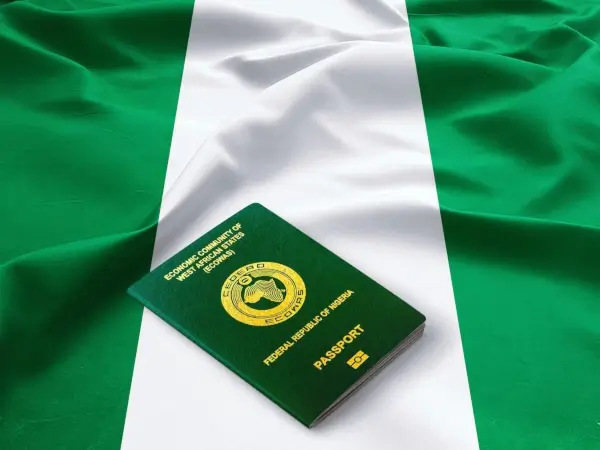
BVN and NIN in the Diaspora: How to Register and Update Your Details
Managing BVN and NIN in the Diaspora is essential for Nigerians living outside Nigeria who still use Nigerian banking, government, and financial services. Understanding how to register, update, and manage your details can help you maintain accurate records and avoid unnecessary account restrictions.
Living outside Nigeria does not mean you have to lose touch with your identity records. For Nigerians in the diaspora, having up-to-date identification makes it much easier to operate Nigerian bank accounts, access financial services, handle official documentation, and maintain smooth financial connections back home.
For more practical information, explore our Diaspora Guides for Nigerians living abroad.
Two critical identification numbers every Nigerian abroad must know are the Bank Verification Number (BVN) and the National Identification Number (NIN).
If you need to register for, update, or resolve issues with your BVN and NIN in the Diaspora, this guide explains the step-by-step process and where to find official services.
Important: BVN and NIN procedures, fees, enrolment centres and requirements can change. Always confirm the latest requirements with the relevant Nigerian government agency, NIBSS, your bank or an approved enrolment partner before making payment or submitting personal information.

More Nigeria Diaspora Guides
- Top 5 Safe Real Estate Investment Hubs in Nigeria: 2026 Guide
- How to Securely Verify Land Titles in Nigeria from Abroad
- Diaspora NHF Mortgage Loan: What Nigerians Abroad Should Know
- How to Safely Buy a House in Nigeria from Abroad
- BVN and NIN for Nigerians in the Diaspora: How to Register and Update Your Details
What Is a BVN?
The Bank Verification Number (BVN) is an 11-digit unique identifier used across Nigeria’s banking system. It helps banks and other financial institutions verify a customer’s identity and helps protect bank accounts against identity theft and unauthorised access.
Your BVN is linked to your Nigerian bank accounts, so keeping your banking information accurate and up to date is important, especially if you live outside Nigeria and still use Nigerian banking services.
What Is a NIN?
The National Identification Number (NIN) is a unique identification number issued by the National Identity Management Commission (NIMC) after an individual is enrolled in Nigeria’s National Identity Database.
NIN is an important part of Nigeria’s national identity system and is used for identity verification across various government and private-sector services.
Nigerians living abroad can also use NIMC’s diaspora enrolment programme to access NIN enrolment services through approved channels.
BVN and NIN in the Diaspora: What Is the Difference?
Although both BVN and NIN are used for identification, they serve different purposes.
BVN is primarily connected to Nigeria’s banking and financial system, while NIN is a national identity number issued through NIMC.
In simple terms:
BVN = Banking identity
NIN = National identity
Depending on your circumstances and the services you need, you may need to have both.
Obtaining your BVN and NIN in the Diaspora is essential for maintaining seamless access to your Nigerian accounts and government services. By keeping your personal information consistent across both databases, you can avoid unexpected account freezes and easily complete identity verification checks while living abroad.
Can Nigerians in the Diaspora Get a NIN?
Yes. Nigerians living outside Nigeria can enrol for a NIN through NIMC’s diaspora enrolment arrangements. The process and available enrolment locations may depend on the country where you live, so it is important to use NIMC’s current official information and an approved enrolment channel.

NIMC also provides an online pre-enrolment and appointment-booking platform. Applicants can begin the process online and are instructed to visit their selected enrolment centre to complete the enrolment process.
How to Get Your NIN While Living Abroad
If you are a Nigerian living abroad and need to enroll for a NIN, the process generally involves the following steps:
1. Check NIMC’s official information
Check the latest NIMC information for diaspora enrolment and the services available in your country.
2. Complete the required pre-enrolment process
Complete the online pre-enrolment process where applicable and provide the requested personal information.
3. Select an available enrolment centre
Choose an approved NIN enrolment centre or diaspora enrolment channel serving your country.
4. Book an appointment
Book an appointment if the selected enrolment centre requires one.
5. Prepare your required documents
Gather your identification documents and any other supporting documents required for your enrolment.
6. Visit the enrolment centre
Attend your appointment at the selected enrolment centre with your required documents.
7. Complete your biometric capture
Complete the required biometric and personal-data capture as instructed by the enrolment officials.
8. Keep your enrolment information safely
Keep your enrolment information, acknowledgement documents and other relevant records safely for future reference.
Important: Do not use an unofficial agent simply because they promise a faster NIN. Before submitting your passport, personal information or payment, verify that the enrolment channel is authorised and that the requirements are current.
What Documents May Be Required for NIN Enrolment?
The documents required for NIN enrolment can depend on your circumstances and the current NIMC requirements. Applicants should check the latest requirements before attending an enrolment appointment.
Depending on the enrolment process, you may be asked to provide an acceptable identification document and other supporting information needed to establish your identity and Nigerian status.
Because document requirements can change, Nigerians in the diaspora should confirm the current requirements directly with NIMC or the approved enrolment centre before travelling to an appointment.
Can Nigerians in the Diaspora Get a BVN?
Yes. Nigerians living abroad can enrol for a BVN through available diaspora BVN services. NIBSS provides information and services specifically for Nigerians living outside Nigeria who need to enrol for or manage their BVN.
The available process may depend on your country of residence and the service you are using, so always check the latest requirements, approved enrolment locations and applicable fees before starting the process.
How to Get a BVN While Living Abroad
Nigerians in the diaspora may be able to complete BVN enrolment through a designated diaspora enrolment centre or through the Non-Resident BVN (NRBVN) service, depending on their circumstances and eligibility.
1. Check the available NIBSS BVN service
Visit the official NIBSS information and confirm which diaspora BVN option is available to you.
2. Select the appropriate enrolment option
Depending on your circumstances, this may involve diaspora BVN enrolment through an approved centre or the NRBVN service.
3. Complete the required application
Provide the personal and identification information requested during the application process.
4. Prepare your identification documents
Have your valid identification and other required documents ready.
5. Complete biometric enrolment
Follow the instructions for biometric capture, either through the approved enrolment process or the applicable NRBVN process.
6. Pay the applicable fee
Where a fee applies, use only the official payment method provided by the relevant service.
7. Keep your BVN information safely
Once your BVN has been issued or retrieved, keep the information secure and do not share it unnecessarily.
What Is a Non-Resident BVN (NRBVN)?
The Non-Resident BVN (NRBVN) is a service provided through NIBSS for eligible Nigerians living outside Nigeria. It is designed to make it easier for non-resident Nigerians to complete BVN-related processes and access certain Nigerian financial services without necessarily travelling to Nigeria.
The NRBVN process involves identity verification and other Know Your Customer (KYC) requirements. The exact requirements and services available may depend on the applicant’s circumstances and the current NIBSS arrangements.
For the latest information on Non-Resident BVN (NRBVN), eligibility, requirements and available services, visit the official NIBSS website.

What If You Already Have a BVN?
If you already have a BVN, you generally do not need to enrol for another BVN simply because you have moved abroad. Your BVN is intended to provide a unique banking identity across Nigerian banks.
If you are experiencing problems with your existing BVN, contact your Nigerian bank or the appropriate NIBSS-supported service rather than attempting to create another BVN.
Keeping one accurate BVN is important because your Nigerian bank accounts can be linked to your BVN
How Can You Check Your BVN?
NIBSS provides a USSD service that allows customers to retrieve their BVN. The published NIBSS instructions state that *565*0# can be used to check a BVN using the phone number registered with the BVN. A service charge may apply.
If you are living outside Nigeria and cannot use the USSD service, contact your Nigerian bank and ask about the available options for confirming or retrieving your BVN.
What If Your BVN and NIN Details Do Not Match?
Differences between your BVN and NIN information can cause difficulties when you are trying to complete identity verification or access certain services.
This can happen after marriage, a legal name change, correction of personal information or differences in the way your details were originally recorded.
If your information does not match, do not create a new identity record simply to solve the problem. Instead, contact the appropriate institution and ask about the official correction process.
For BVN-related information, contact your bank or the relevant NIBSS-supported channel. For NIN-related information, contact NIMC or an approved NIMC service channel.
Keep your supporting documents available if you need to prove a legitimate change or correction.
More Nigeria Diaspora Guides
- Top 5 Safe Real Estate Investment Hubs in Nigeria: 2026 Guide
- How to Securely Verify Land Titles in Nigeria from Abroad
- Diaspora NHF Mortgage Loan: What Nigerians Abroad Should Know
- How to Safely Buy a House in Nigeria from Abroad
- BVN and NIN for Nigerians in the Diaspora: How to Register and Update Your Details
What If You Have Lost Your Nigerian Phone Number?
Losing access to the Nigerian phone number linked to your BVN can make some banking verification processes more difficult, particularly if you are living abroad.
If this happens, contact your Nigerian bank and follow its official procedure for updating your contact information.
Nigerians in the diaspora should be particularly careful when changing the phone number associated with their BVN because current BVN regulations may place restrictions on how often the registered phone number can be changed.
Before making any change, confirm the current requirements directly with your bank
BVN and NIN Safety Tips for Nigerians in the Diaspora
Your BVN, NIN, passport details and banking information are sensitive personal information. Nigerians living abroad should take care when providing these details online or to third parties.
1. Use official channels
Use the official websites and approved service channels of NIMC, NIBSS and your bank. Avoid random websites, social media accounts or WhatsApp contacts offering BVN or NIN services.
2. Verify enrolment centres
Before visiting a diaspora enrolment centre, confirm that it is currently approved or recognised by the appropriate Nigerian authority.
3. Be careful with payments
Do not send money to an individual simply because they claim they can speed up your BVN or NIN registration. Confirm the applicable fees and official payment method first.
4. Never share your banking PIN or OTP
Never give your bank PIN, password or one-time password (OTP) to an agent or stranger claiming to help with your BVN or NIN.
5. Check your personal information
Before completing an enrolment or correction, carefully check your name, date of birth and other personal details to make sure they are accurate.
6. Keep your documents secure
Store your passport, NIN information, BVN information and supporting documents securely. Avoid sending copies through unsecured channels unless you have verified who will receive them.
Frequently Asked Questions
Can I register for NIN without travelling to Nigeria?
Nigerians living abroad can use NIMC’s diaspora enrolment arrangements to enrol for a NIN through approved channels. The available process and enrolment locations depend on the country of residence and current NIMC arrangements.
Can I get a BVN outside Nigeria?
Yes. NIBSS provides diaspora BVN enrolment services, and eligible Nigerians living abroad may also be able to use the Non-Resident BVN (NRBVN) service.
Is BVN the same as NIN?
No. BVN is primarily a banking identifier, while NIN is a national identification number issued through NIMC. They serve different purposes.
Do I need both BVN and NIN?
Your individual requirements depend on the service you are trying to access. BVN and NIN serve different purposes, so having one does not automatically replace the other.
Can I have more than one BVN?
You should not attempt to create another BVN simply because you have moved abroad or changed banks. Your BVN is intended to serve as your unique banking identity across Nigerian banks.
What should I do if my BVN details are wrong?
If your BVN details are incorrect, contact your bank and ask about the official procedure for correcting your BVN information. You may be required to provide supporting documents, depending on the type of correction needed. Do not create a new BVN to replace an existing one.
What should I do if my NIN information is wrong?
Contact NIMC or an approved NIMC service channel and follow the current procedure for correcting or updating your NIN information.
For answers to other common questions, visit our Frequently Asked Questions page
Final Thoughts
For Nigerians living abroad, keeping your Nigerian identity and banking records accurate can help prevent unnecessary difficulties when dealing with banks, government services and other institutions.
If you need a BVN, explore the current NIBSS diaspora options or the Non-Resident BVN (NRBVN) service. If you need a NIN, check NIMC’s current diaspora enrolment information and use an approved enrolment channel.
Most importantly, always confirm current requirements, fees and procedures directly with the responsible institution before submitting personal information or making payment.
If you have questions about our content or need to contact us, visit our Contact Us page.
Official Resources
The following official resources can help Nigerians in the diaspora verify the latest information, requirements and available services.
Official BVN and NIN Resources
- NIMC Diaspora Services — Information about NIN enrolment and services for Nigerians living abroad.
- NIBSS BVN Services — Information about BVN and related banking verification services.
- NIBSS Diaspora BVN Enrolment — Information about BVN enrolment for Nigerians outside Nigeria.
- NIBSS Non-Resident BVN (NRBVN) — Information about the Non-Resident BVN service.
Disclaimer
This article is provided for general information and guidance only. BVN and NIN requirements, fees, procedures and approved enrolment channels may change. Nigerians in the diaspora should confirm the latest information directly with NIMC, NIBSS, their bank or the relevant approved authority before taking action.
Stay Connected With Nigerians in Diaspora
Want to stay informed about opportunities, guides, property, investment, travel, and important updates for Nigerians living abroad? Subscribe to our newsletter and get useful, practical information delivered straight to your inbox. Join our growing community and stay connected to what matters both at home and abroad.
Join the Conversation
Do you have a question, experience, or tip to share? Drop a comment below. Your questions and experiences can help other Nigerians in the diaspora make safer and better-informed decisions when dealing with property, investment, travel, and other matters connected to Nigeria.