

Keeping your transfers to Nigeria safe and fully legal requires strict compliance with the latest banking frameworks. The Central Bank of Nigeria (CBN) enforces rigid monitoring systems to increase transparency, track inbound funds, and combat online fraud.
If you are a high-volume sender or someone supporting relatives back home, understanding CBN Remittance rules is critical to preventing your transactions from getting blocked or frozen.
📜 The 3 Most Important CBN Rules You Must Know
To clean up the foreign exchange market, the apex bank has put strict boundaries around money entering the country:
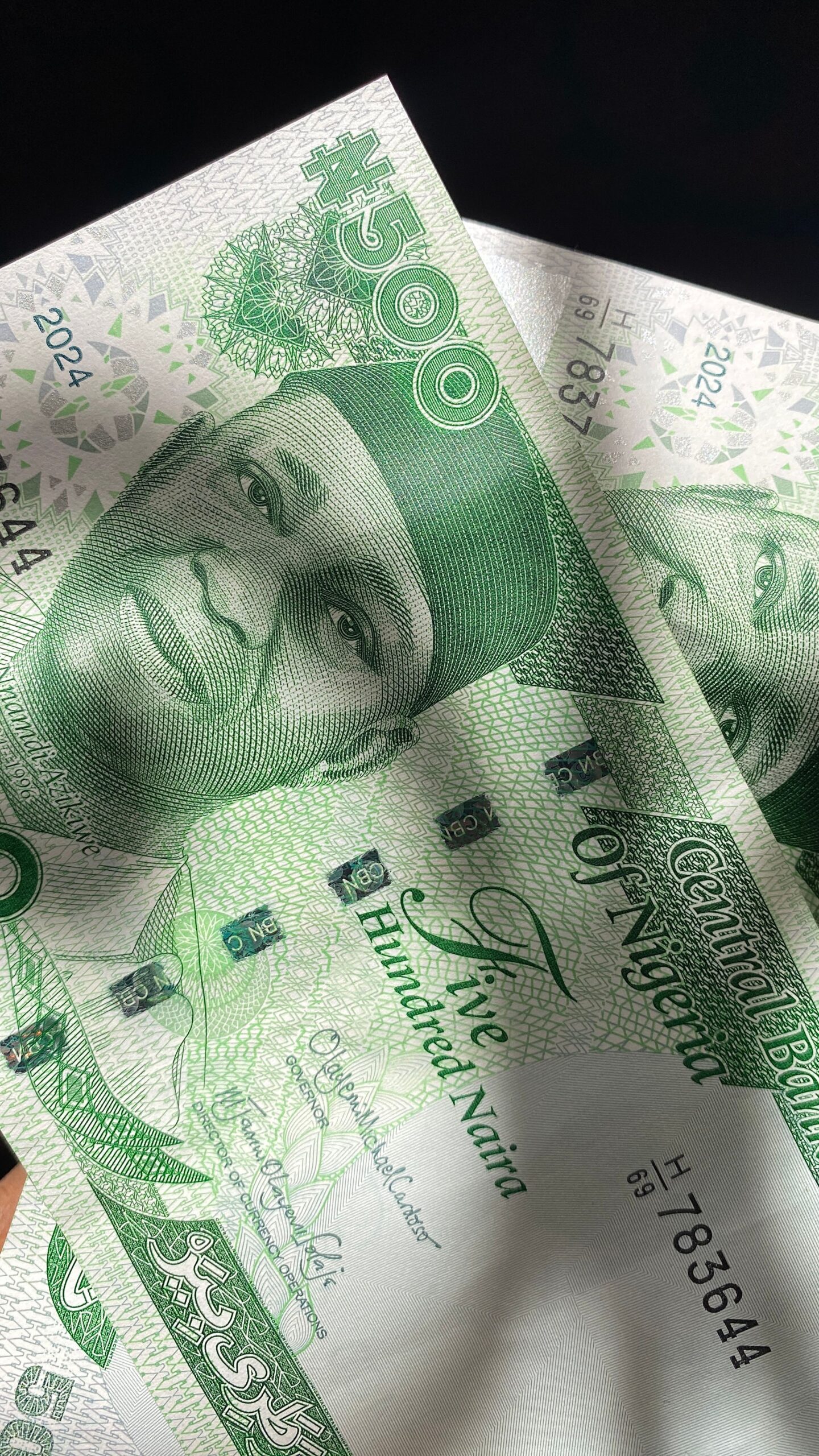
- Mandatory Naira Payouts Under the CBN diaspora remittance guidelines, all incoming international money transfers are processed strictly via designated Naira settlement accounts. Senders transfer foreign currency, but recipients can only receive Naira (see The Cable’s report on CBN naira settlement directives).
- The Fintech App Ban The CBN explicitly prohibits local digital-only fintech wallets from acting as direct inbound International Money Transfer Operators (IMTOs). Licensed providers must route and clear all transfers through established commercial banking networks.
- Market-Driven Exchange Rates Fixed arbitrary caps on international transfer rates have been removed. Licensed platforms now legally calculate real-time conversion rates based on official market data.

🛡️ The Ultimate Security Checklist for Diaspora Senders
To keep your money safe from administrative delays or compliance red flags, follow these basic steps before initiating a transfer:
✅ Link the Recipient’s BVN and NIN
The CBN requires all Tier 2 and Tier 3 local bank accounts to be fully validated against the Bank Verification Number (BVN) and National Identification Number (NIN) databases (see NIBSS guidelines on BVN regulations). If your recipient has not updated their profile, the bank will auto-reject your transfer.
✅ Enforce Name Matching
Check that the name on your remittance app exactly matches the name on the recipient’s bank account. A small spelling mismatch will cause automated clearing portals to pause or reverse the transfer.
✅ Avoid Unlicensed Parallel Agents
Never send money through independent, unverified social media agents or informal cash-swap networks. Using unlicensed operators risks account-freezing orders due to local anti-money laundering compliance audits.
More Nigeria Diaspora Guides
- 👉 Top 5 Safe Real Estate Investment Hubs in Nigeria: 2026 Guide
- 👉 How to Securely Verify Land Titles in Nigeria from Abroad
- 👉 Diaspora NHF Mortgage Loan: What Nigerians Abroad Should Know
- 👉 How to Safely Buy a House in Nigeria from Abroad
- 👉 BVN and NIN for Nigerians in the Diaspora: How to Register and Update Your Details
❓ Frequently Asked Questions
Why can’t my family receive US Dollars or British Pounds directly from an app?
Following official Central Bank of Nigeria directives, foreign currency cash or domiciliary account payouts for international money transfer apps have ended (see The Cable’s report on Naira payouts). All inbound transfers clear into authorized local bank accounts and are paid out strictly in Naira (NGN).
What happens if a transfer gets stuck or delayed?
Most delays are caused by compliance mismatches (such as name errors or unlinked BVNs). If your funds do not clear within 24 hours, do not send a duplicate transfer. Instead, verify your recipient’s account alignment with NIBSS BVN guidelines and check your app provider’s tracking dashboard.
Is it legal to use P2P platforms to send money to Nigeria?
While individual peer-to-peer crypto transactions are widely used, routing large family or business remittances through unlicensed individual agents is highly discouraged. To stay safe and fully compliant with Nigerian law, stick to licensed IMTOs like Wise, LemFi, or Sendwave.
🏁 The Bottom Line
Navigating Nigerian remittance regulations does not have to be difficult. By using licensed operators, double-checking recipient bank files, and avoiding illegal informal channels, you can make sure your money gets home securely every single time.
💬 Join the Conversation
Have you ever experienced a delay while sending money to Nigeria? Help our community out! Drop your tips, questions, or app recommendations in the comments section below, or share this guide with your family!
💡 Have Your Say
Your personal experience matters! Have a question about CBN guidelines, or a favorite remittance app that has never let you down? Leave a comment below to help guide fellow readers making transfers today.