
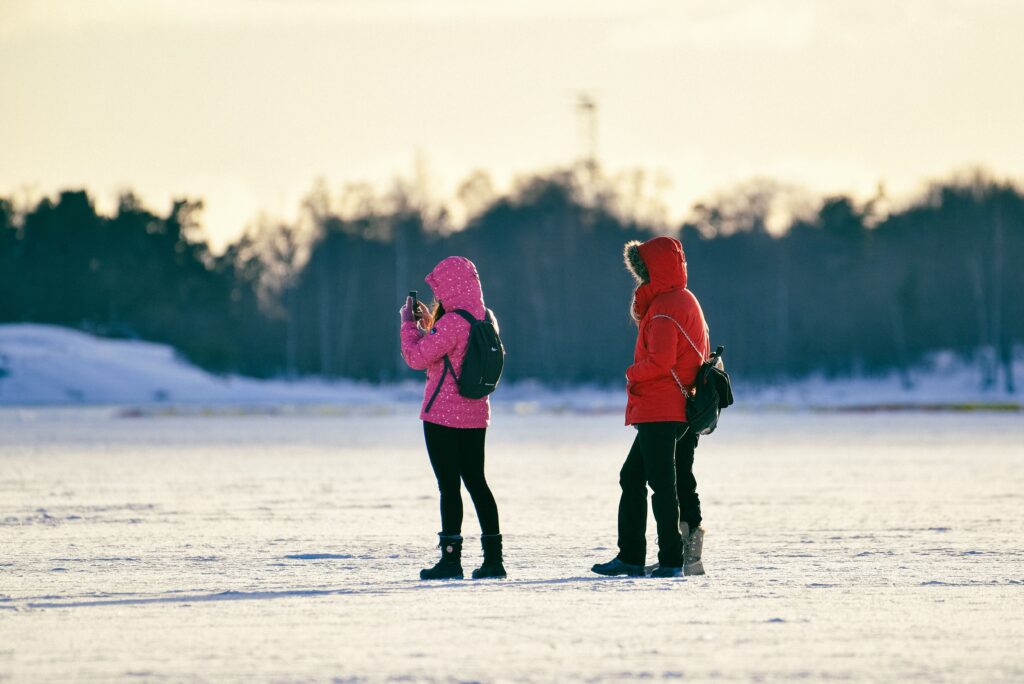
Many enthusiastic migrants relocating to northern Europe are completely unprepared for the psychological realities of a Nordic finland winter. While international indexes routinely rank the Nordic region as one of the safest and most stable places to live, the drastic seasonal shift introduces severe psychological and social strains. Moving from the brilliant, year-round sunshine of West Africa to a sub-zero climate with fewer than four hours of dim, grey daylight can take a devastating toll on your emotional health. Because the physical environment is accompanied by a deeply quiet, highly private social culture, thousands of newcomers find themselves battling extreme feelings of loneliness alongside seasonal depression.
Behind the scenic, snow-covered landscape lies a silent, deeply stressful isolation battle that many expats face in complete anonymity.
Job Searching in Europe: Landing a professional role abroad involves overcoming specific linguistic and cultural barriers that catch many applicants off guard. Discover the 3 shocking truths for job hunters in France and Germany to refine your application strategy.
German Language & Visa Preparation: Facing strict language testing requirements for your European visa can be nerve-wracking. If you run into unexpected exam setbacks, read our practical guide on 3 vital steps if you fail your German language exam to keep your relocation plans on track.
Nigerian Passport Renewals: Maintaining valid identification documents is critical while living in Scandinavia or anywhere overseas. Learn the step-by-step process by checking out our guide on how to renew your Nigerian passport abroad.
Real Stories of the Dark Finland Winter
Note: The following real-world accounts are summarized from active discussions within Nordic diaspora networks, Nairaland Travel sections, and Facebook support groups for expats in Scandinavia.
The Noon Darkness: Amadi’s Story in Helsinki
Amadi arrived in Helsinki late in the autumn to begin a postgraduate program. By December, the atmospheric shift hit him like a physical blow. The sun wouldn’t appear until roughly 9:30 AM, hanging low on the horizon as a weak grey blur, before disappearing completely by 3:00 PM.
The prolonged absence of sunlight triggered a severe case of Seasonal Affective Disorder (SAD). Amadi found himself sleeping for twelve hours a day but waking up completely exhausted, unable to focus on his academic coursework. “Back home, daylight is a constant guarantee,” Amadi shared on a diaspora forum. “But a deep finland winter strips away your energy. The endless gloom makes you feel like you are living in a permanent night, and your mind just shuts down.”
The Hallway Silence: Chika’s Story in Tampere
Chika moved into a modern apartment building in Tampere, expecting to build casual relationships with her neighbors. Coming from a vibrant community where neighbors constantly greet, drop by, and support one another, the complete absence of noise in her building felt surreal.
For the first six months, she never had a single interaction with anyone on her floor. On the rare occasions she encountered neighbors in the elevator, they looked away politely or gave a silent nod, avoiding any eye contact or small talk. “The silence is heavy,” Chika explained to an online support group. “The streets are empty, the buses are silent, and your building feels completely abandoned. The social coldness hurts much more than the freezing weather.”
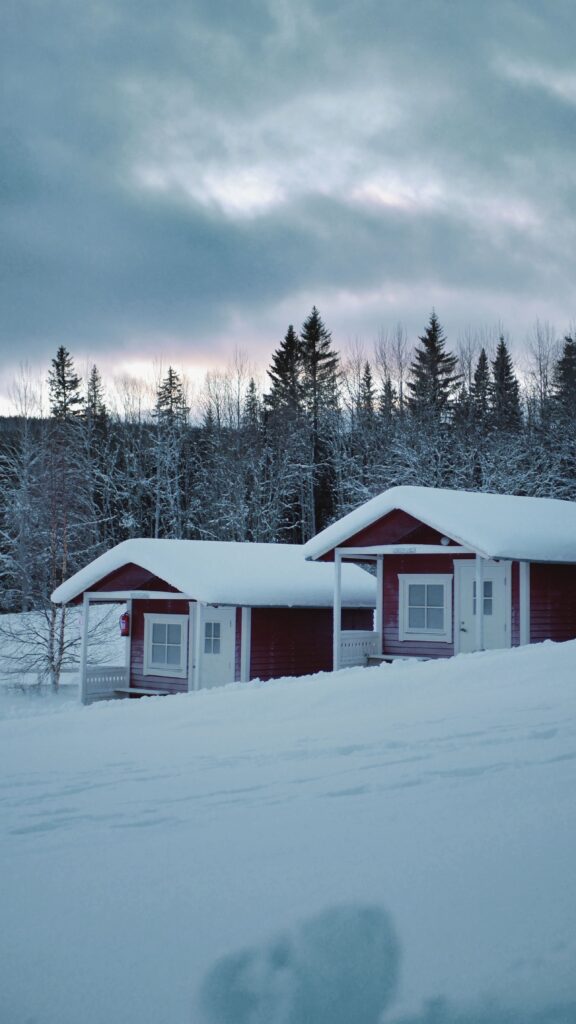
The Step-by-Step Survival Guide: How to Beat the Nordic Blues
To safeguard your mental health and successfully integrate during the darkest months of the year, you must implement proactive health and lifestyle strategies.
1. Execute an Aggressive Winter Health Regimen
Do not wait for the symptoms of exhaustion and low motivation to settle in before taking action. The lack of sunlight causes a drastic drop in essential nutrients that regulates your mood and sleep cycles.
- The Action Step: Invest in a certified, high-lux bright light therapy lamp for your living room and turn it on for 30 minutes every morning.
- In addition, start taking high-strength, daily Vitamin D supplements immediately at the start of autumn. Maintaining these physical habits protects your body from chemical imbalances caused by the harsh environment.
2. Force Yourself into Structured Social Environments
Because spontaneous community encounters do not happen naturally in Nordic cultures, you must actively seek out structured institutional spaces to find connection.
- Look into community center programs, evening adult education classes, or local international volunteer networks.
- Joining a structured group gives you a safe, predictable environment to meet both locals and other expats, breaking the cycle of solitary isolation.
- Register with local municipal integration services or check your city’s official community portal.
Emergency Assistance Guide: From harsh winter conditions to unexpected administrative issues, staying prepared for crises overseas gives you peace of mind. Read our Nigerian Emergency Abroad survival guide for essential contacts and procedures.
Remittance & Money Transfers: Sending funds back home efficiently requires staying updated on exchange rates and platform fees across Schengen nations. Visit our detailed breakdown of the best rates to send money to Nigeria from Europe to save on transaction fees.
🙋♂️ Frequently Asked Questions (FAQs)
How bad is the lack of daylight during a finland winter?
In southern regions like Helsinki, the deepest part of December offers roughly six hours of weak daylight. In northern regions like Lapland, the sun does not rise above the horizon at all for several weeks, a phenomenon known as polar night (kaamos), making preparations crucial.
Why is the focus keyword finland winter associated with social isolation?
The severe sub-zero temperatures force people to spend most of their time indoors, leaving public spaces empty. Combined with a culture that deeply respects personal privacy and quietness, casual outdoor interactions drop to zero during the colder months.
Can using light therapy lamps really combat a dark finland winter?
Yes, medical experts widely recommend bright light therapy lamps to simulate natural morning light. Using a lamp regularly regulates your circadian rhythm, suppresses melatonin during the day, and significantly reduces the symptoms of winter seasonal depression.
What clothes are mandatory to survive a standard finland winter?
To survive comfortably, you must master the three-layer rule: a thermal base layer (merino wool), an insulating middle layer (fleece), and a windproof, waterproof outer layer (a heavy down parka), along with insulated winter boots.
⚖️ Legal Disclaimer
The information provided in this article is for educational and informational purposes only and should not be construed as professional medical, psychological, or legal advice. Seasonal depression and prolonged isolation can have serious health consequences. If you are experiencing persistent depression, severe lethropy, or mental health struggles, always seek guidance from a certified medical practitioner or contact local healthcare services.
💬 Join the Discussion
Have you experienced the biting cold and long dark nights of a finland winter? How did you survive your very first season, and what tricks did you use to make friends in a quiet culture? Share your survival tips or ask your questions in the comments section below—let’s build an open community and help each other push through the darkness! Make sure to share this guide with anyone planning a move to Scandinavia.
Discussion (3 Comments)
Thank you for stopping by, Amadi! That is exactly why I started this series. Hang in there and keep utilizing the community survival steps.
This post hits the nail completely on the head. Finding hidden information like the specific institutional support systems mentioned here is what saves people from severe underemployment.
Thank you for writing about this topic! Nobody warned us about these structural issues before we packed our bags. Reading these community stories makes me feel less isolated out here.