
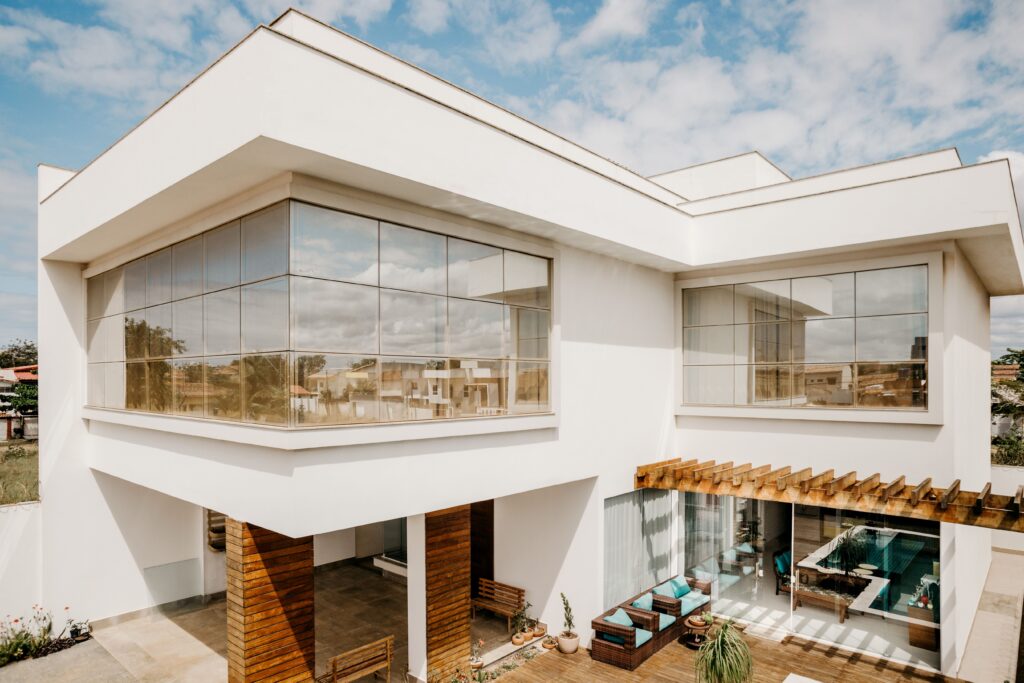
For many Nigerians living abroad, investing in Abuja real estate has become an increasingly attractive way to build assets back home. As diaspora investors look for opportunities to diversify their investments, generate rental income, and prepare for a possible future return to Nigeria, the Federal Capital Territory (FCT) continues to attract attention.
While Lagos remains Nigeria’s largest commercial property market, the capital city offers a distinct investment environment. Abuja is known for its planned districts, central government institutions, diplomatic presence, expanding satellite communities, and high-yield executive rental market.
However, buying property in Nigeria from overseas requires more than simply choosing a promising location. Diaspora investors need to understand land documentation, proper verification channels, extra costs, long-term property management, and the risks involved in transferring money from abroad.
This guide explores why Abuja real estate is attracting Nigerians in the diaspora, the areas worth researching, and the exact steps you can take to reduce the risk of costly mistakes and property fraud.
Why Abuja Real Estate Appeals to Nigerians Living Abroad
Investing from overseas comes with clear challenges. Buyers may not be physically available to inspect land, meet developers, monitor construction progress, or verify property documents at government offices.
For this reason, many diaspora investors are attracted to the FCT market because of its planned layout, growing residential communities, and centralized land administration system.
1. A Planned Capital City With Expanding Development
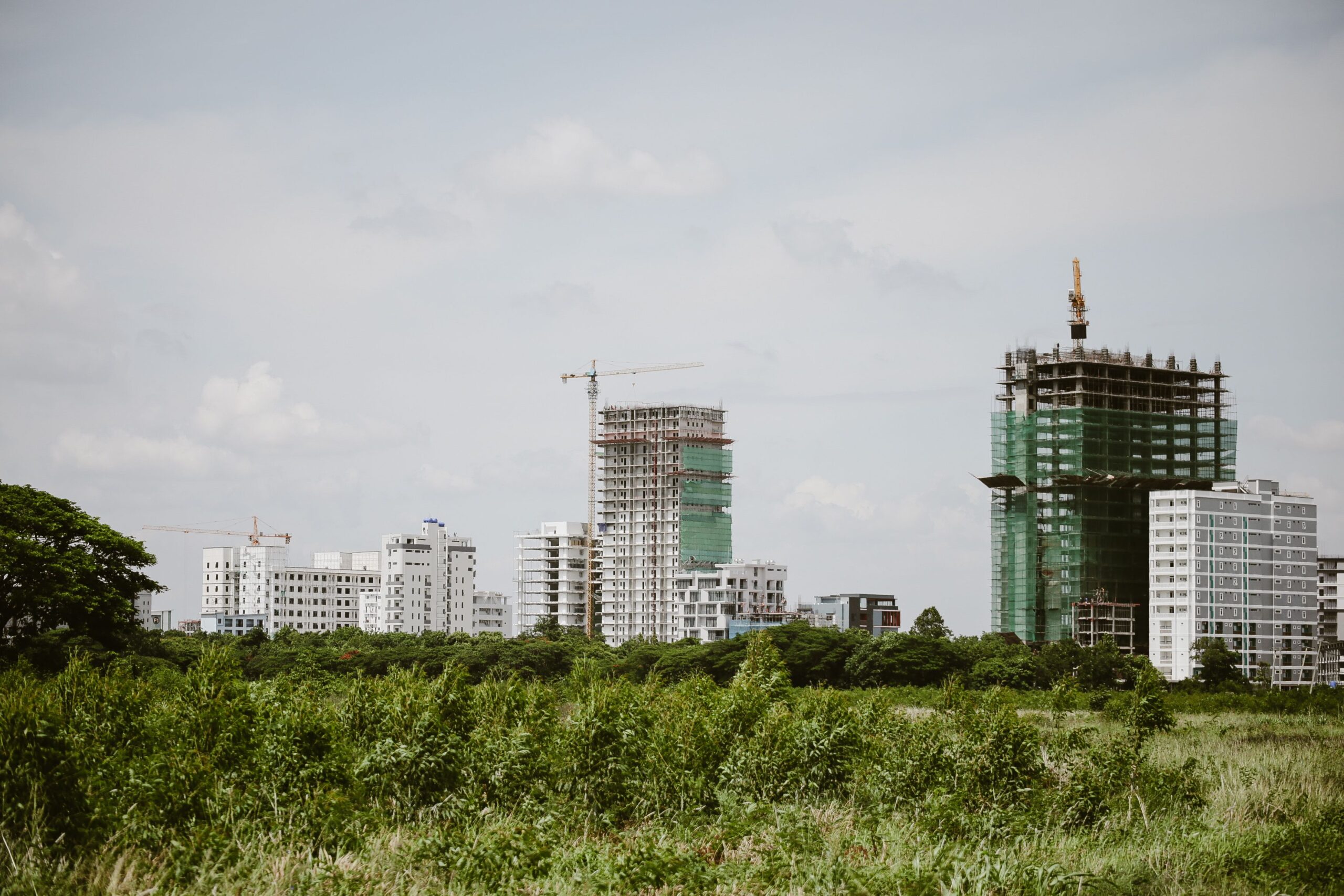
Abuja was developed as Nigeria’s Federal Capital Territory and continues to expand through established central districts, satellite towns, residential estates, outer bypass road networks, and commercial developments.
Different parts of the FCT offer different opportunities. Established central districts appeal to buyers looking for stable rental demand and finished infrastructure, while emerging outer corridors attract investors pursuing long-term property appreciation.
Before investing, however, independent verification of infrastructure, planning approvals, and development status is essential. Do not purchase land simply because an agent promises that a major road, railway line, or government project is “coming soon.”
2. Centralized Land Administration and Digital Land Records
One of the major advantages frequently associated with Abuja real estate is the centralized nature of land administration in the Federal Capital Territory.
The Abuja Geographic Information Systems (AGIS) supports computerized land administration and cadastral information management within the FCT. Its services include property searches, title registrations, and mapping records, making property verification far more structured compared to markets where land records involve multiple local family lineages.
⚠️ Critical 2026 FCTA Policy Regulations
- Strict 21-Day R-of-O Payment Deadline: Under current land reforms by the Federal Capital Territory Administration (FCTA), recipients of new statutory Right of Occupancy (R-of-O) offers have a strict 21-day window from the offer date to pay all required statutory fees and submit acceptance documentation. Offers unpaid after 21 days are rendered invalid.
- Mandatory 2-Year Development Window: The FCTA strictly enforces a requirement that land allottees must build and complete development on allocated plots within 2 years of R-of-O commencement. Undeveloped plots face statutory revocation.
- Sectional Titling for Mass Housing & Apartments: Individual buyers purchasing apartments, terraces, or units within Mass Housing estates can now apply directly to the FCTA Department of Land Administration for individual sectional titles rather than relying on a master developer title.
- Area Council Title Regularisation: Buyers must exercise extreme caution with legacy Area Council papers. Only Area Council allocations that have gone through official vetting and conversion into statutory FCTA titles by AGIS are legally secure.
Best Areas to Research for Abuja Real Estate Investment in 2026

The right location depends on your capital, investment horizon, risk tolerance, and income expectations. Instead of asking “Where is the hottest place to buy property?”, diaspora investors should ask: “Which location matches my investment strategy?”
1. Premium Districts: Maitama, Asokoro, and Wuse II
Maitama, Asokoro, and Wuse II remain among the capital city’s most established and prestigious districts. These areas are known for their proximity to diplomatic institutions, government secretariats, international corporate headquarters, and high-income executive residences.
They appeal to buyers interested in premium residential housing, executive short-lets, and corporate long-term leases. However, entry prices are significantly higher, so always run rental yield calculations rather than assuming expensive areas automatically generate high returns.
2. High-Growth Mid-Tier Districts: Katampe Extension, Guzape, Jahi, Wuye & Idu
For investors seeking a balance between strong rental yields and rapid capital appreciation, expanding mid-tier corridors lead Abuja real estate market demand in 2026. Districts like Katampe Extension, Guzape, Jahi, Wuye, and Idu have seen substantial road work and utility installations, driving high demand for serviced apartments and terrace blocks.
3. Established Residential Neighborhoods: Jabi and Gwarinpa
Established residential areas offer a reliable environment for long-term tenancy and lower turnover risks. They suit investors targeting stable long-term leases for middle- to upper-income family tenants.
4. Emerging Satellite Communities: Lugbe, Kuje, and Airport Road Corridors
For buyers with lower entry budgets or long-term horizons, satellite towns offer entry points well below central city prices. However, in light of the FCTA’s 2-year development rule, buying vacant land in developing corridors purely to hold without a development schedule carries revocation risks if left bare.
| Investment Goal | Areas to Research | Possible Strategy |
|---|---|---|
| Premium Luxury | Maitama, Asokoro, Wuse II | Long-term ownership & diplomatic/executive rentals |
| High Yield & Growth | Guzape, Katampe Ext., Jahi, Wuye | Serviced apartments, short-lets, and terrace housing |
| Established Residential | Jabi, Gwarinpa | Long-term residential tenant leases |
| Long-Term Growth | Lugbe, Kuje, Idu | Land development & phased building projects |
| Airport Access Corridors | Airport Road and environs | Mid-budget residential developments |
How Diaspora Investors Can Buy Abuja Real Estate Safely
Buying property from overseas requires a disciplined, verified approach to prevent financial loss. For broader strategies across the country, refer to our comprehensive guide on how to safely buy a house in Nigeria from the diaspora.

Step 1: Define Your Investment Goal
Decide whether you are buying for immediate rental yield, short-let income, a future personal residence, or long-term development before engaging developers or agents.
Step 2: Verify the Developer or Seller
Do not rely on social media videos, celebrity endorsements, or informal recommendations. Request corporate CAC registration details, previous project delivery records, and official AGIS file numbers.
Step 3: Arrange an Independent Property Inspection
Appoint an independent professional (such as a registered solicitor or estate surveyor) who has no financial connection to the seller to physically inspect the site and provide verified photographic, video, and survey evidence.
Step 4: Conduct Proper Property and Title Checks
If you are wondering how to securely verify land titles in Nigeria from abroad, title verification in the FCT must go directly through AGIS and FCTA land channels. Ensure your representative verifies registered owner details, encumbrances, and compliance with local land rules.
Step 5: Use Traceable Payment Channels
Never transfer property funds to personal bank accounts or third-party proxies without written contracts. Use official corporate banking channels and keep detailed transaction records. You can review how to send money and invest in Nigeria safely to ensure full compliance with financial regulations.
Understand the True Cost of Buying Property in Abuja
The advertised property price is not the final cost. Diaspora investors should budget for:
- Legal fees and contract drafting
- AGIS search and perfection fees
- Stamp duties and FCTA consent charges
- Survey and allocation fees
- Estate development levies and infrastructure charges
- Annual AGIS ground rent
- Property management and service charges
Land vs House vs Apartment: Which Is Better for Diaspora Investors?
Land
Land requires lower initial capital but produces no immediate rental income. Furthermore, under current FCTA rules, land allottees must complete development within 2 years, making unmanaged land banking risky.
Houses
Completed houses provide immediate rental opportunities or personal utility, but require higher capital and active oversight. If you are comparing regional markets, see our analysis on the top 5 safe real estate investment hubs in Nigeria.
Apartments & Short-Lets
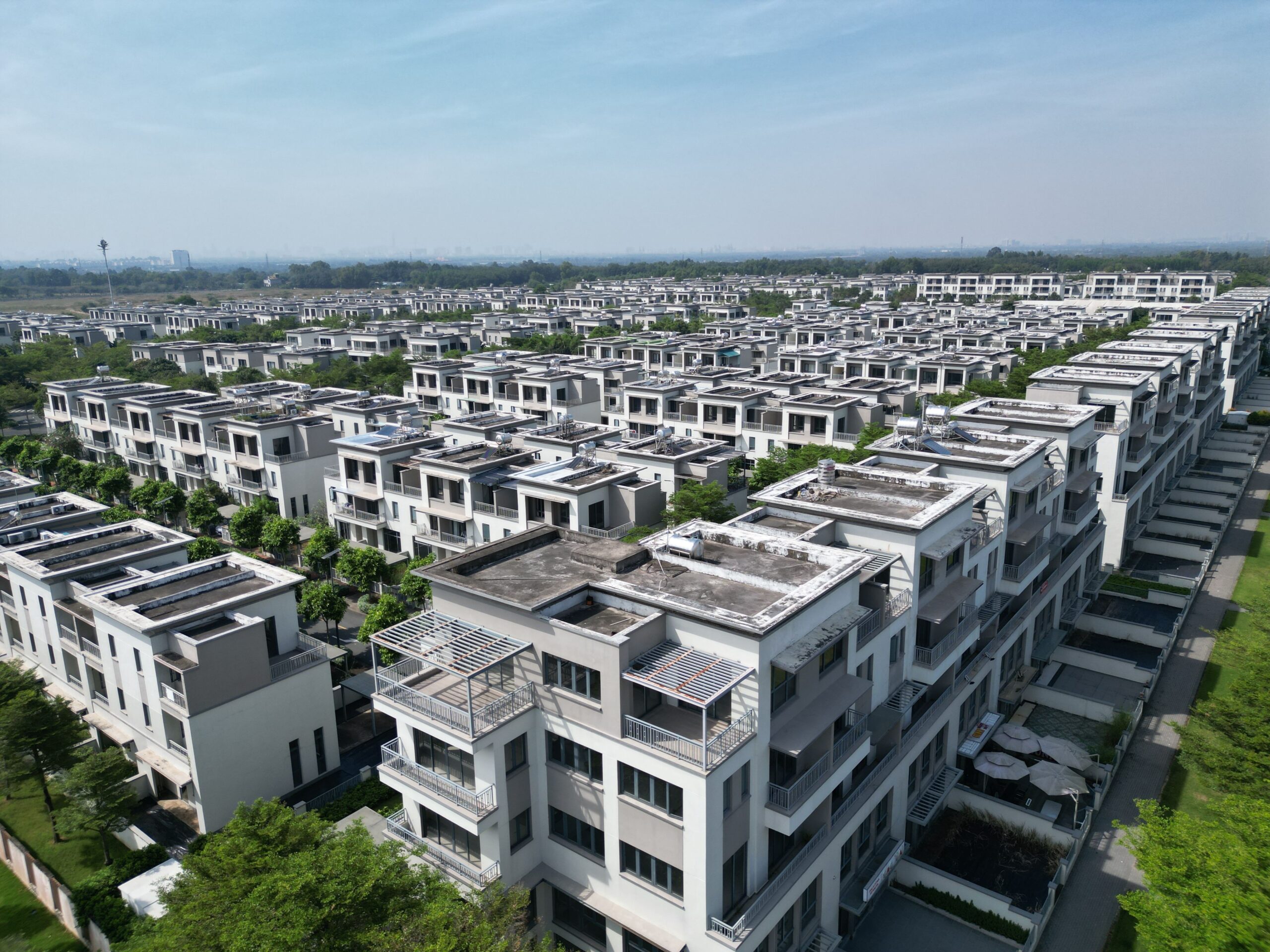
Apartments offer a manageable entry point for rental income. With FCTA Sectional Titling, individual apartment owners can now secure independent statutory titles for their units within multi-dwelling estates.
Who Will Manage Your Property While You Live Abroad?
Managing investments from overseas requires reliable execution. To avoid disputes, explore safe ways to invest back home without using relatives.
If hiring a professional property management firm, ensure you have a written agreement covering management fees, rent collection schedules, repair thresholds, and regular inspection reports.
📋 Before You Send Money: Property Checklist
- Identified exact physical plot location and coordinates
- Arranged an independent site inspection report
- Verified title records and file numbers at AGIS
- Confirmed compliance with FCTA 21-day payment and 2-year development rules
- Confirmed Sectional Titling status (if purchasing an apartment/terrace)
- Updated your BVN and NIN details in the diaspora for smooth bank verification
- Obtained a complete breakdown of legal, consent, and infrastructure fees
- Reviewed purchase contracts through an independent solicitor
- Utilized official bank channels or checked the best exchange rates for sending money to Nigeria
- Established a documented property management plan
Summary: Strategy Over Excitement
Investing in Abuja real estate offers strong wealth-building opportunities for Nigerians in the diaspora. By staying informed on FCTA land regulations, focusing on AGIS-verified titles, and following a disciplined due diligence process, you can secure valuable property assets in Nigeria’s capital city safely from abroad.
Frequently Asked Questions About Abuja Real Estate
Why is Abuja attractive to Nigerians in the diaspora?
Abuja offers a planned city layout, central government institutions, stable rental demand, and a centralized land registry (AGIS) that facilitates structured title verification.
What is the new FCTA 21-day payment rule?
The FCTA requires land allottees receiving a new statutory Right of Occupancy (R-of-O) to pay all prescribed fees and submit acceptance paperwork within 21 calendar days, after which unpaid offers become invalid.
Can I buy land in Abuja and hold it indefinitely without building?
FCTA regulations require land allotted under an R-of-O to be developed within 2 years. Leaving land vacant beyond this timeframe risks statutory revocation.
What is FCTA Sectional Titling?
Sectional titling allows individual buyers of apartments or terrace units in Mass Housing estates to receive separate, legally recognized statutory property titles directly from the FCTA.
How do I verify an Abuja land title from abroad?
Appoint an independent Nigerian legal practitioner or registered surveyor to perform an official title search at AGIS (Abuja Geographic Information Systems) to confirm ownership, encumbrances, and statutory status.
Editorial Disclaimer: The information contained in this guide is provided for educational and informational purposes only and does not constitute legal, financial, or licensed real estate advisory services. Readers are strongly advised to conduct independent due diligence and consult appropriately qualified legal, property, surveying, and financial professionals before purchasing property or transferring substantial funds.
💬 Join the Discussion
Are you currently researching Abuja real estate from abroad? Which district or investment strategy are you considering? Leave a comment below and share your experience or questions with the community!